KINENOVA
Yesterday the Eye Didn’t Sleep
البارح العين ما نامت / Yesterday the Eye Didn’t Sleep
Directed by: Rakan Mayasi
Synopsis
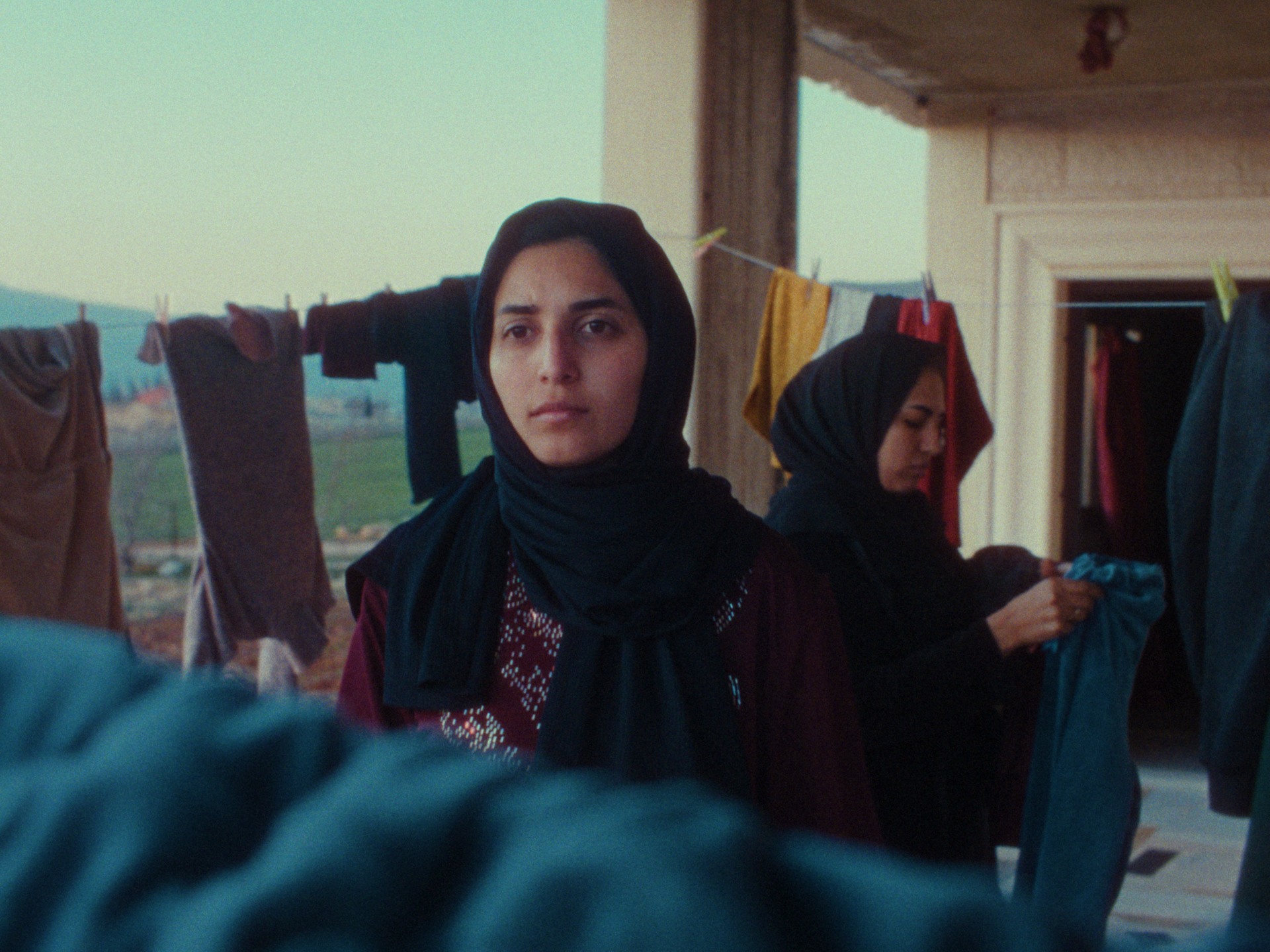
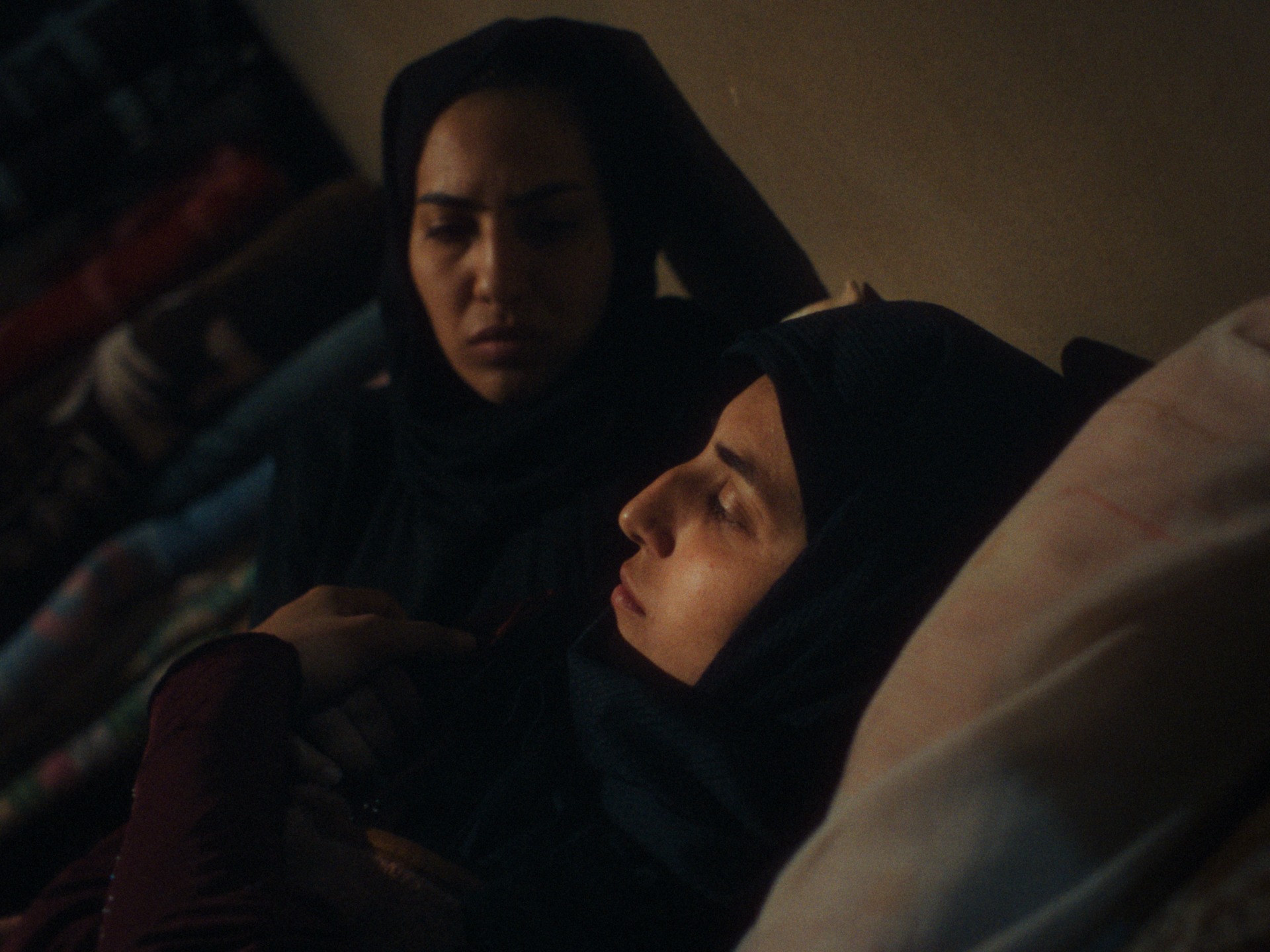
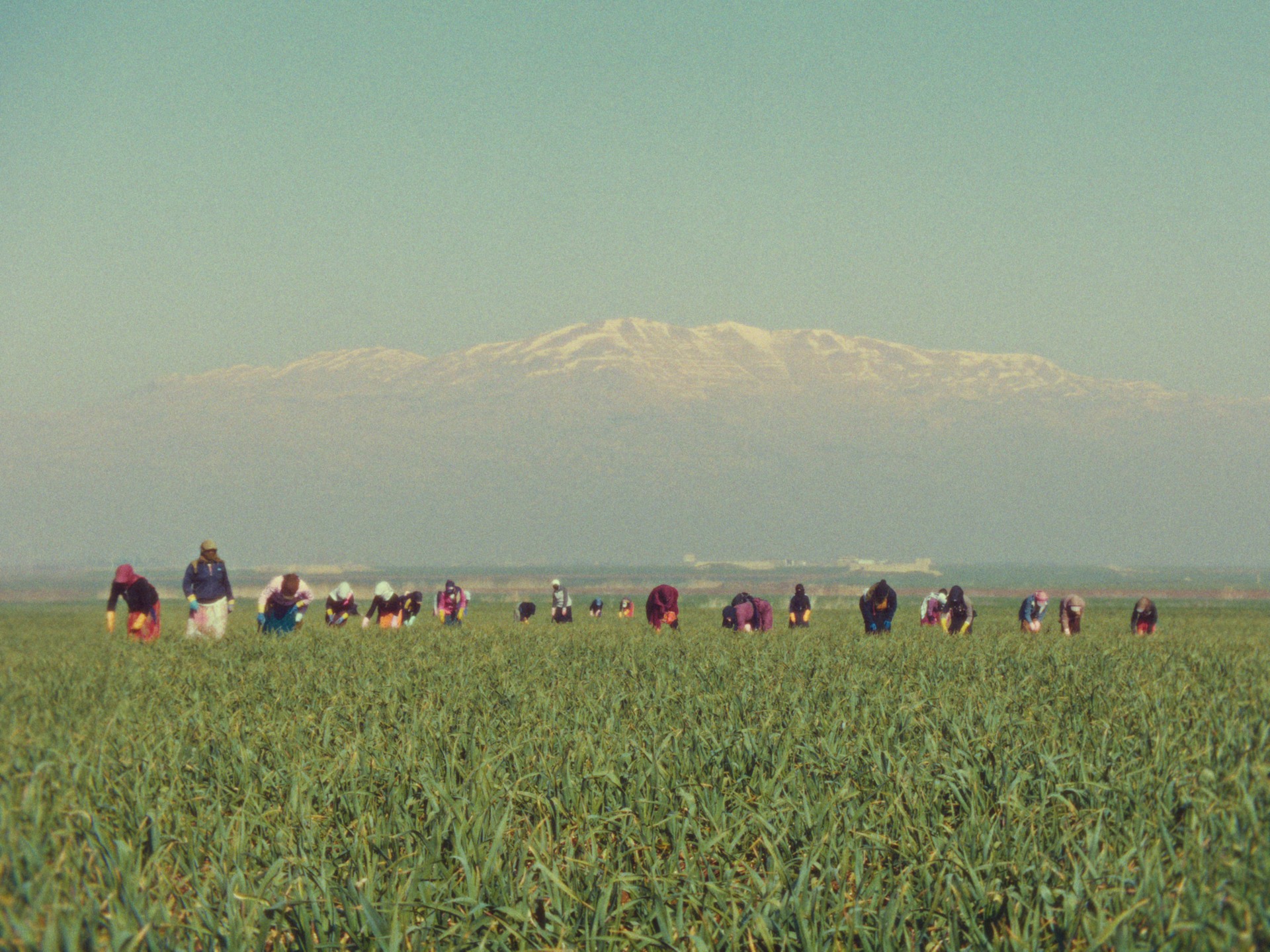
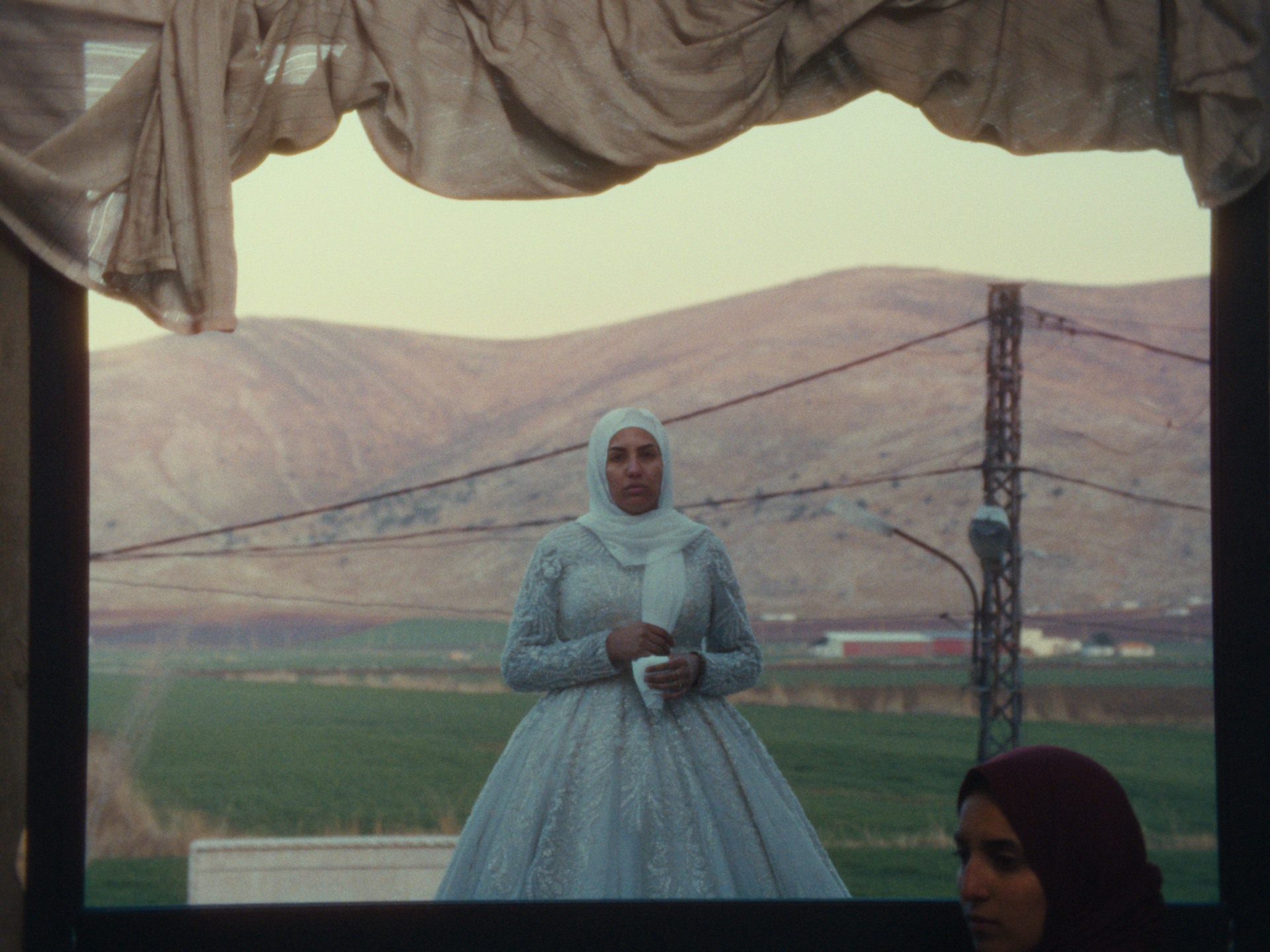
In the quiet fog of the Bekaa Valley, on the border between Lebanon and Syria, someone sets fire to a truck. In this tightly woven Bedouin community, the young Gamra is gone, maybe hiding - maybe running. As her cousin Yasser sets out to find her, he runs over a man from a rival tribe. His sisters Rim and Jawaher are chosen to walk into the night as an offering. Will their sacrifice be enough to preserve the fragile balance, or will this burning flame spread through the entire village?
Cast & crew
Written and directed by: Rakan Mayasi
Director of photography: Pôl Seif
Editor: Louis De Schrijver
Art director and wardrobe: Lea Chammas
Sound recordist: Bassam Lebbos
Sound designer: Lama Sawaya
Re-recording mixer: Philippe Charbonnel
Colorist: Loup Brenta
Composers: Abed Kobeissy, Ted Regklis
Co-writers: Wahid Ajmi, Pôl Seif
Producers: Atata, Rakan Mayasi
Cast: Rim Al Mawla, Jawaher Al Mawla, Yasser Al Mawla
Awards & recognition
World premiere — Cannes Un Certain Regard, 2026
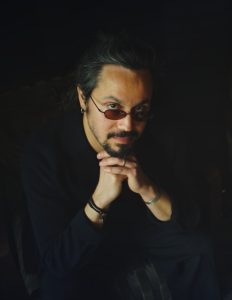
About the director
Rakan Mayasi is an independent Palestinian filmmaker, currently based between Brussels and Beirut. He grew up in Amman, Jordan and then went on to study Cinema, Theatre and Psychology in Lebanon. He later received film training with Abbas Kiarostami in South Korea at the Asian Film Academy. He has an MA in Filmmaking from LUCA School of Arts in Belgium and has written, directed and produced several short films. His previous film ROUBAMA was an official selection at the Locarno Film Festival in 2012.
His short film BONBONÉ (acquired by Netflix worldwide) tackles the phenomenon of Palestinian sperm smuggling from Israeli jails and has world premiered at the Toronto International Film Festival in 2017 - it is the recipient of 35 Best Short Awards at international film festivals, namely Küstendorf Film and Music Festival. Rakan recently underwent film training with Béla Tarr in Budapest, where he conceived a film in 7 days, KÉS.
TRUMPETS IN THE SKY is a short film exploring Cinema as a contemplative medium of visual poetry, metaphor and mythology. It won the honorable mention for Best International Short Film at TIFF 2021 in Canada, where it world premiered (acquired by France 3). Rakan’s latest short film is a political fantasy-thriller entitled THE KEY that is centred around the Palestinian right of return. It world premiered at SXSW Film Festival in Austin, USA 2023 (acquired by Canal+ internationale).
YESTERDAY THE EYE DIDN’T SLEEP is his first feature film shot entirely in the Bekaa Valley with non-professional actors and without a script. It follows a family triangle searching for a missing girl, focusing on space, time, metaphor and poetry. It premiered in the Cannes Film Festival’s Un Certain Regard section in 2026. His second feature film project THE PASSPORT (development) participated at La Fabrique at Cannes Film Festival 2025.
Filmography
Yesterday the Eye Didn’t Sleep (2026) — debut feature
The Key (2023) — short
Trumpets in the Sky (2021) — short
Bonboné (2017) — short
Roubama (2012) — short
Director’s statement
My late grandmother’s story—married at fourteen—had stayed with me since childhood. It shaped, in a quiet and persistent way, my sense of injustice and my sensitivity to lives shaped by forces beyond one’s control.
Creating Trumpets in the Sky in 2020 became a first step toward engaging with that memory. The short film, conceived as a tribute to her, opened a door for me—both emotionally and artistically—toward a more intimate and poetic form of storytelling. It revealed the possibility of a cinema where reality, fiction, and myth coexist, and where atmosphere and presence carry as much weight as narrative. This experience naturally led me to extend that exploration into a feature-length work.
I returned to the Bekaa Valley, where these traditions still lingered, not to confront them, but to observe them from within. Having grown up feeling at a distance from the patriarchal structures around me, I approached this film with a desire to understand rather than to oppose. What interested me was the space between belonging and estrangement, and the ways individuals move within systems that precede them.
Working with non-professional actors, immersed in their own environments, allowed the film to unfold with an intimate and unfiltered presence. Their gestures, silences, and hesitations carried a fragile authenticity that could not be constructed. Our role remained discreet, allowing reality to shape the film as much as any written direction.
Within this setting, I was drawn to the place of women in moments of tension and unspoken conflict. I found myself wondering how a woman navigates her fate within structures that often deny her voice, and what forms of agency can exist, however subtle or unseen.
The film gradually moved away from narrative certainty toward something more instinctive. Drama softened, giving way to duration, to landscape, to the quiet weight of time passing. The connection between bodies and their surroundings became central, as did the emotional undercurrents that resist language.
In the end, what emerges is less a story than an experience—one grounded in simplicity and attentiveness. The film settles into a space where emotion, presence, and the poetry of the image could exist on their own, without the need for resolution.
Film stills